The Strategic Allure of Casino Private Tables in High-Stakes Wagering
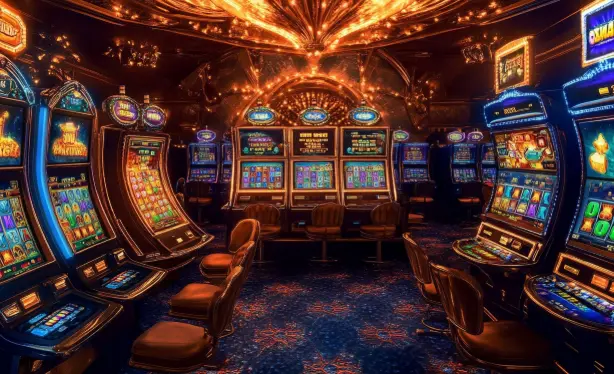
In the rarefied ecosystem of international gaming, the demarcation between mass-market floor play and elite wagering is defined by one critical asset: the Casino Private Tables experience. This is not merely a partitioned area; it is a bespoke operational framework designed for High Rollers and VIPs who demand absolute discretion, unadjusted table limits, and dealer exclusivity. 🎲 For the seasoned bettor, accessing these salons requires an understanding of the accreditation metrics—specifically Average Daily Theoretical (ADT) and player rating tiers—that gatekeep entry into these hyper-exclusive pits.
Operational Mechanics: Dealer Exclusivity and Table Customization
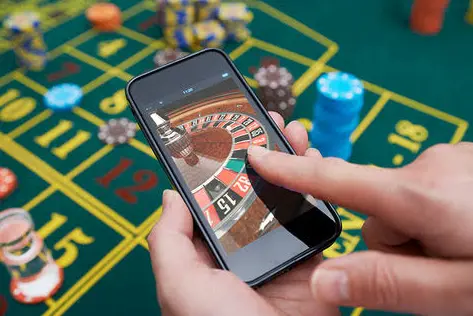
A private table operates under a distinct set of regulatory and operational protocols compared to the main gaming floor. When you reserve a Casino Private Table, the pit boss adjusts the parameters: No-Limit or high-maximum bets become standard, and the dealer rotation is slowed to accommodate deep strategic play in games like Baccarat, Blackjack, and Roulette. 🃏 The house edge remains mathematically fixed, yet the variance and time-on-device metrics shift dramatically. For the player, this means the theoretical loss per hour is recalibrated against the potential for exponential returns, all within a soundproofed environment free from the distractions of the public floor.
Geographic Hubs and Transnational Tourism Integration
The geography of Casino Private Tables mirrors the global luxury tourism circuit. From the marble-floored salons of Macau's Cotai Strip to the discreet entrances of Monte Carlo's Salle Privée and the high-limit cages of Las Vegas's Mansion at MGM, these venues function as economic anchors for integrated resorts. High-stakes players often leverage junket operators and premium credit lines, transforming a private table session into a seamless extension of their international travel itinerary. ✈️ The synergy between luxury hospitality and private gaming creates a closed-loop economy where comps, airfare, and suite upgrades are calculated against the player's theo—a metric that dictates the level of bespoke service provided.

Risk Management and Bankroll Strategy for Private Salons
Engaging in Casino Private Tables demands a rigorous approach to bankroll management that differs from recreational play. The absence of table maximums necessitates a stop-loss strategy defined by session duration and unit sizing rather than emotional response. Professional players scrutinize the house rules—such as the number of decks in Blackjack, the commission structure on Baccarat Banker bets, and the en prison or surrender options in Roulette—as these fine print details directly impact the House Edge. The psychological pressure of isolated, high-stakes play requires a discipline that separates the professional from the enthusiast.
The Psychology of Exclusivity and Player Rating Systems
Ultimately, the private table environment is engineered to reward loyalty and volume. Casino hosts track your play through a tiered system—typically ranging from Silver to Chairman's Club—where your theoretical win determines your access to private salons, event tickets, and dining credits. The psychological draw is as much about status as it is about the game itself. The velvet rope, the personal butler, and the deference of the pit crew create an atmosphere where the wagering feels secondary to the experience of being treated as a sovereign within the casino's domain. 🎩